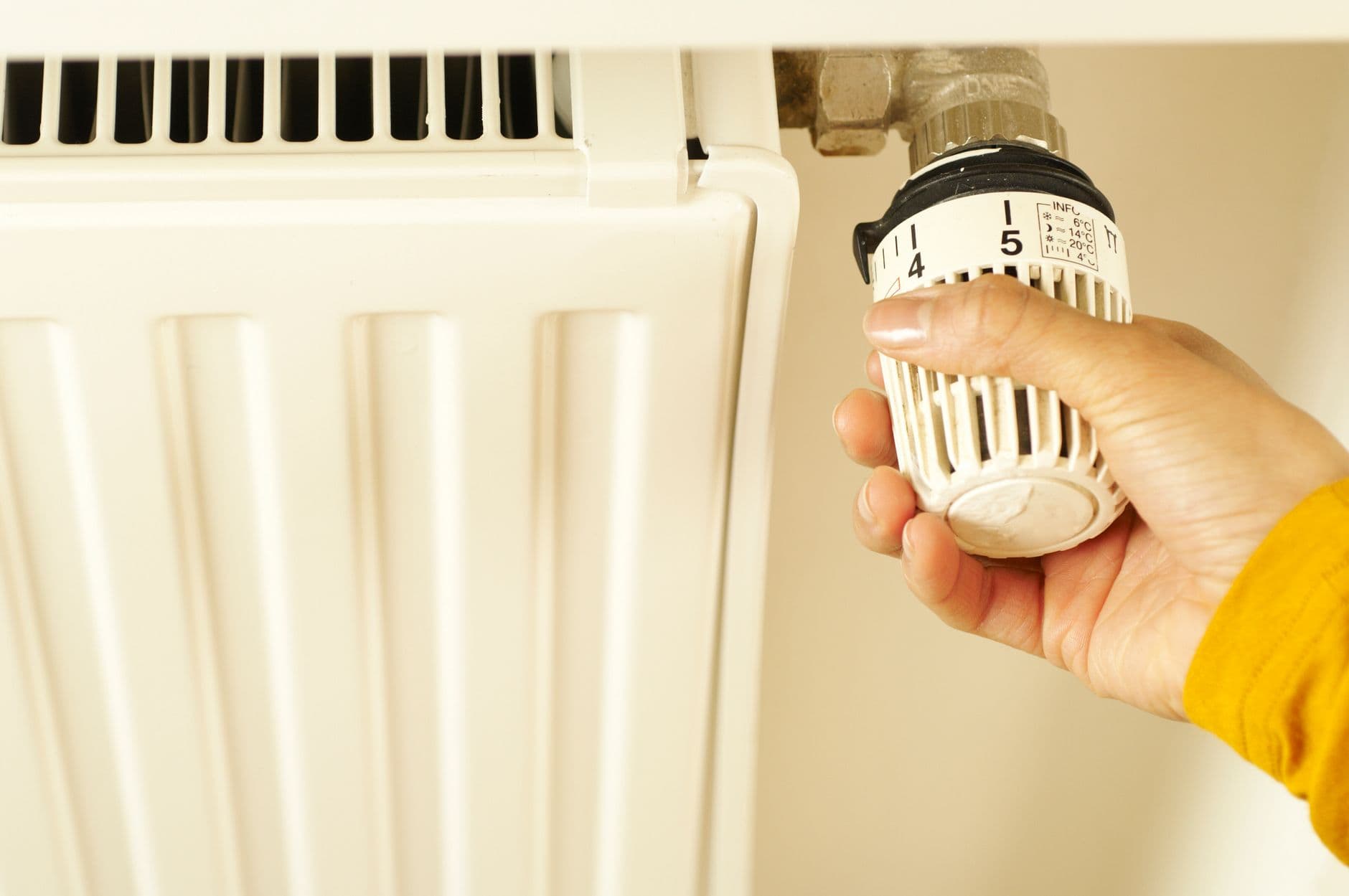
Where your bill really drops, and where the savings exist only on paper.
Briefly describe what is going on. Call for an urgent intervention or leave your number and we will call you back as soon as possible.
Bezig met een storing? Laat je nummer na, we bellen je zo snel mogelijk terug voor een dringende interventie.
Anyone who wants to save energy will quickly find dozens of tips online, from radiator foil to standby plugs. Useful, but the big gains lie elsewhere: in the way your home is insulated, how your installation is put together and exactly when you draw power. As an installing contractor, we look at the whole picture, not at isolated tricks.
Lowering your energy bill is rarely achieved with a single measure. Insulation reduces your heat demand, an efficient installation and smart control shift consumption to the right moments, and storage lets you use more of your own generated power. How much that adds up to depends on your home, your consumption and energy prices, and we assess that on site.
A well insulated home simply needs less energy. Roof, walls and glazing determine how much heat escapes, and every kilowatt hour you do not have to supply, you also do not have to generate or pay for. That is why, during a site visit, we first look at the shell of your home before we talk about solar panels or a battery.
Only once the heat demand is under control do generating and storing become worthwhile. In that order you avoid installing an expensive system to compensate for losses that you could have removed more easily with insulation.
Since the rollback meter was phased out, it is not only how much you consume that counts, but also when. An energy management system controls appliances such as a heat pump boiler, charging station or battery at times when you generate your own power or when consumption is more favourable. That way you use more of your own production instead of feeding it into the grid at a lower rate.
Control also works on your peak capacity. By not running heavy consumers all at the same time, you keep the load more even, which plays a role in the capacity tariff. What that means concretely for your meter profile, you can read on the page about the capacity tariff.
A correctly sized installation, from the right inverter to a well-built distribution board, loses less along the way and works more reliably. A home battery complements that: storing surplus power during the day to use it in the evening increases your self-consumption. Whether a battery pays off for you depends on your consumption pattern and your generation, so we do not simply make that look good.
We would rather give an honest picture based on your situation than a percentage that looks good in a brochure. A site visit and a quote make clear which measures really tip the scales in your case.
Roof, walls and glazing lower your heating demand, and thus your bill, at the source.
An EMS shifts consumption to times when you generate your own power or when drawing from the grid is cheaper.
A home battery increases your self-consumption by keeping surplus electricity.
A correctly sized fuse board and inverter lose less and work more reliably.
We look at your home, installation and consumption on site.
We rank the measures that deliver the most for you.
You get a concrete proposal, carried out by our own team.
Request a site visit. We look at your home and consumption, and set out in a quote the measures that really make a difference for you.
