What it records exactly, and why the electricity you generate now counts differently.
Briefly describe what is going on. Call for an urgent intervention or leave your number and we will call you back as soon as possible.
Bezig met een storing? Laat je nummer na, we bellen je zo snel mogelijk terug voor een dringende interventie.
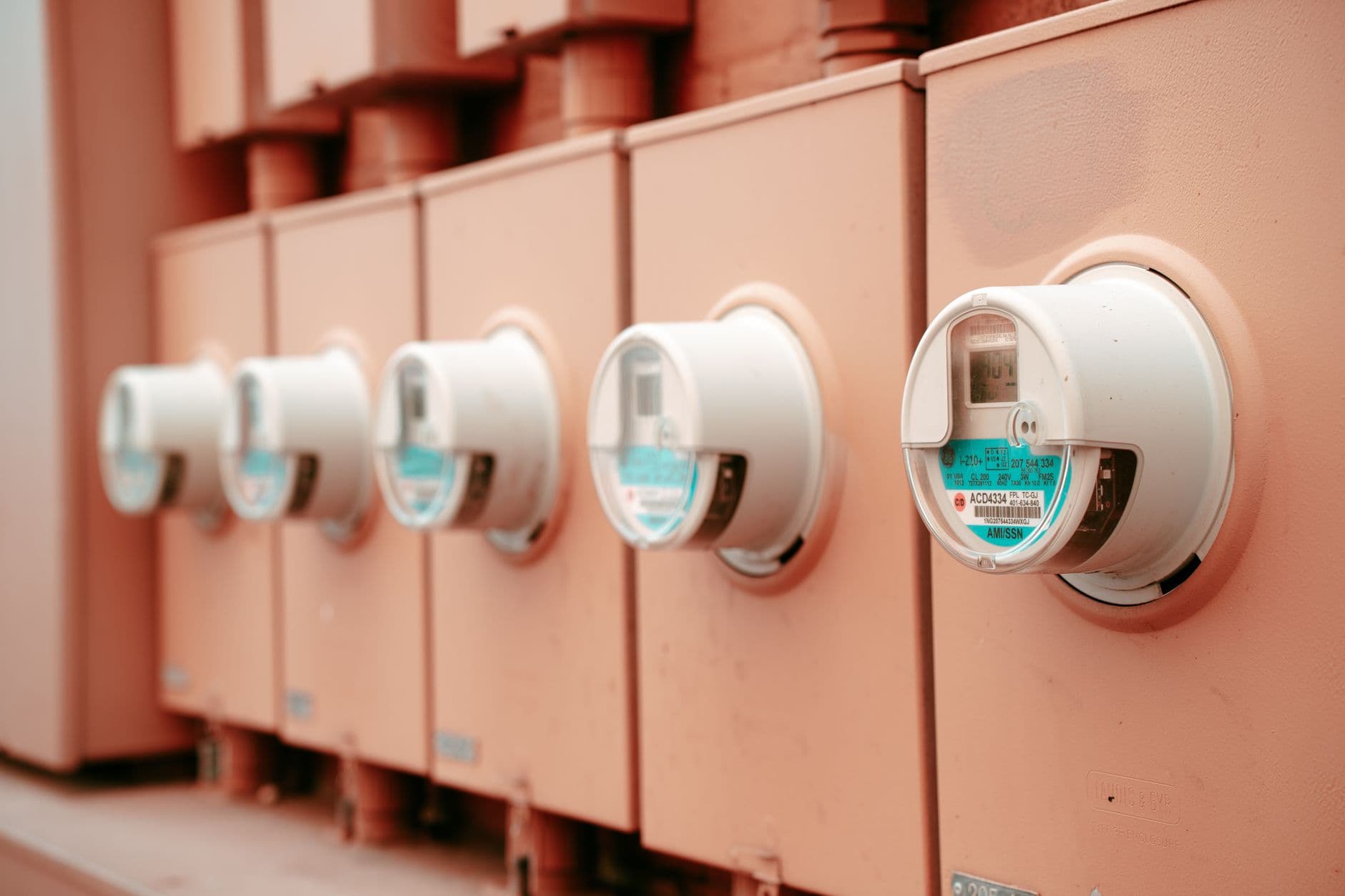
In many Flemish homes, a digital meter now hangs on the wall. That box records your consumption and your injection separately, and tracks how your usage unfolds throughout the day. That extra data is no small detail: it helps determine how your bill is built up and where you can steer things.
The digital meter is also the reason the emphasis is shifting towards self-consumption. Now that the reversing meter has been phased out, electricity you generate and use immediately yourself becomes more valuable than electricity you feed into the grid. In this article, we explain what the meter measures, how to read it and what that means for your installation.
Where the old Ferraris meter only kept a balance, the digital meter measures consumption and injection separately. It therefore records both the electricity you draw from the grid and the electricity your solar panels feed back. In addition, it tracks when you consume, which forms the basis for the capacity tariff.
That split makes clear how much of your own generation you use directly and how much goes unused to the grid. That exact figure is interesting if you want to know whether storage or control is worthwhile in your case.
The figures on the meter display are divided into registers for consumption and injection, usually with codes such as the day and night reading. You can read them directly, but the digital meter also has a port that makes your consumption available in near real time. Through that port, an energy management system can read along and control appliances.
If you want to understand your consumption more deeply than individual readings, we link that readout to a control system. That way you see not only totals, but also when you peak and where your self generated power leaks away to the grid.
With the reversing meter, your meter literally ran backwards when you injected, so injection and consumption offset each other. That scheme has been phased out. Injection and consumption are now billed separately, and the value you receive for electricity fed back is usually lower than what consumption costs you.
That makes it worthwhile to use as much of your generation yourself as possible at the moment it comes in. You can increase self consumption by scheduling loads smartly or by using a home battery that stores daytime electricity for the evening. Whether that pays off for you depends on your consumption pattern and your generation, and we will assess that on site.
Consumption and injection are measured separately, so you can see how much you use yourself.
The meter records when you consume, the basis for the capacity tariff.
A port lets an EMS read the data and control appliances in near real time.
We link the readout to control or storage so your self-consumption rises. Request a site visit and we will look at what suits your meter profile.
