
EnergieTechnicsHonest adviceclear pricing

A home EV charger: safe and tailored to your home

Charge your electric car safely at your own home, matched to your installation.

What can we help you with?

Rather speak to someone right away?0494 37 68 68

We only use your number to call you back. Privacy policy

Choose what you want to tackle. Several is fine.

Step 1 of 2

Want a more detailed answer? Take the EnergieUpgrade Scan

Anyone who drives electric prefers to charge at home: charge overnight and set off in the morning with a full battery. A home charging point is more convenient and usually more suitable than the household socket, which is not made for hours of high power charging. We install charging points for private individuals throughout Flanders, always tailored to what your home and electrical installation can handle.

Choosing a home charging point does not start with the device, but with your situation: the type of connection, the capacity of your board and the distance to the parking space. On that basis we determine together which charging power is feasible and where the charging point is best placed.
Connection and consumer unit

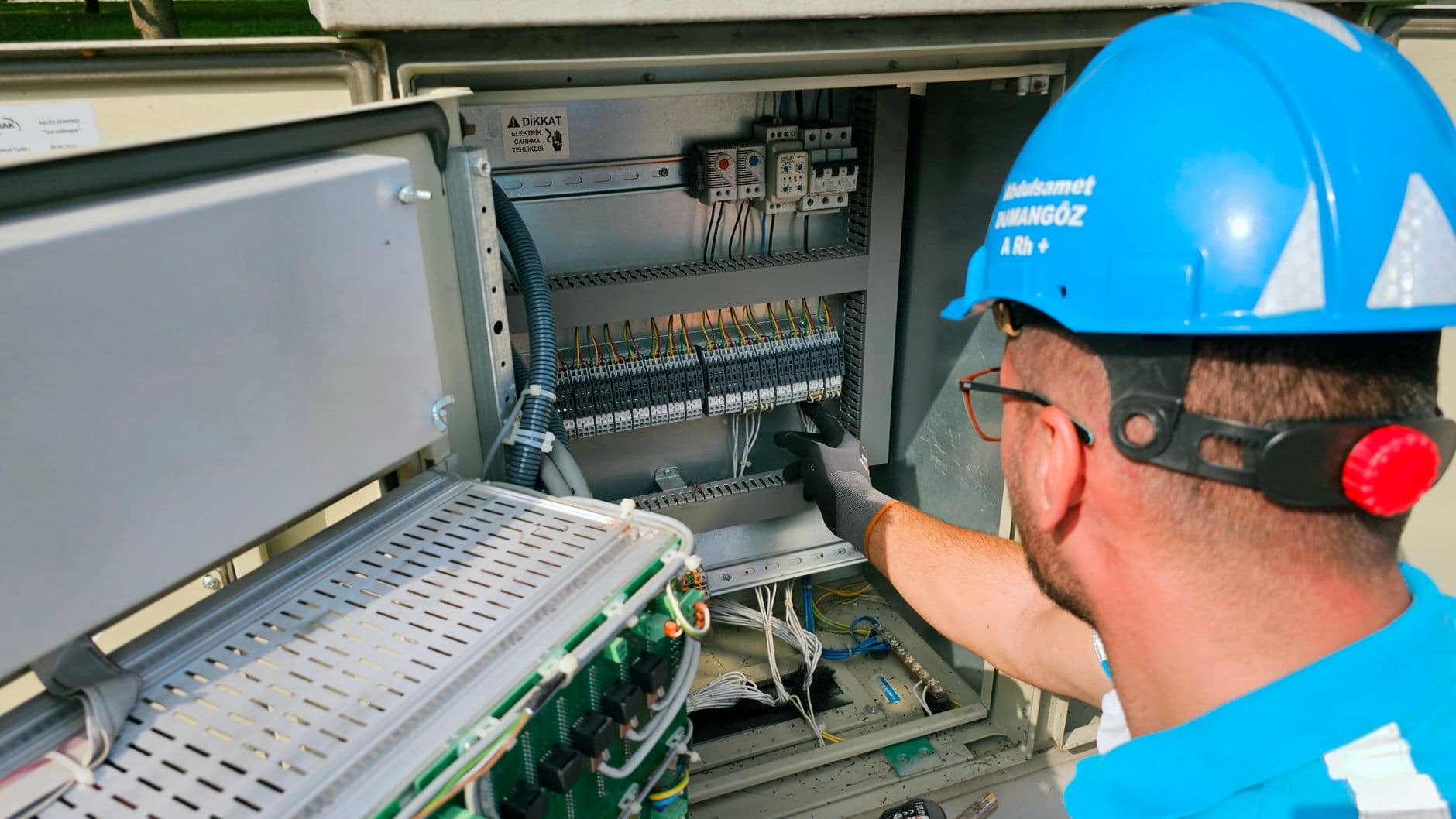
A charging point is connected to your distribution board on its own circuit, with its own circuit breaker and its own earth leakage switch (RCD) of 30 mA at most. This way the charging point's circuit is protected separately from the rest of your installation.

Whether you are connected single-phase or three-phase partly determines which charging power is possible. With a single-phase connection you generally charge more slowly than with three-phase. Have your connection and your consumption checked beforehand, so that you get a realistic estimate of what is feasible.

Electrician working on an open fuse box
Photo: Fatih Yurtman / Pexels

Upgrade: necessary or not?

Sometimes there is still enough capacity on your existing connection to add a charging point, sometimes there is not. If your installation has too little headroom, an upgrade of the connection may be needed, or we opt for smart control so that you stay within your available power.

The latter, dynamic charging, lets the charging point adjust the charging power to what is still available in the home at that moment. This means you can avoid expensive modifications to the connection in many cases. Which option is best for you depends on your consumption and your consumer unit.

Where do you place the EV charger?

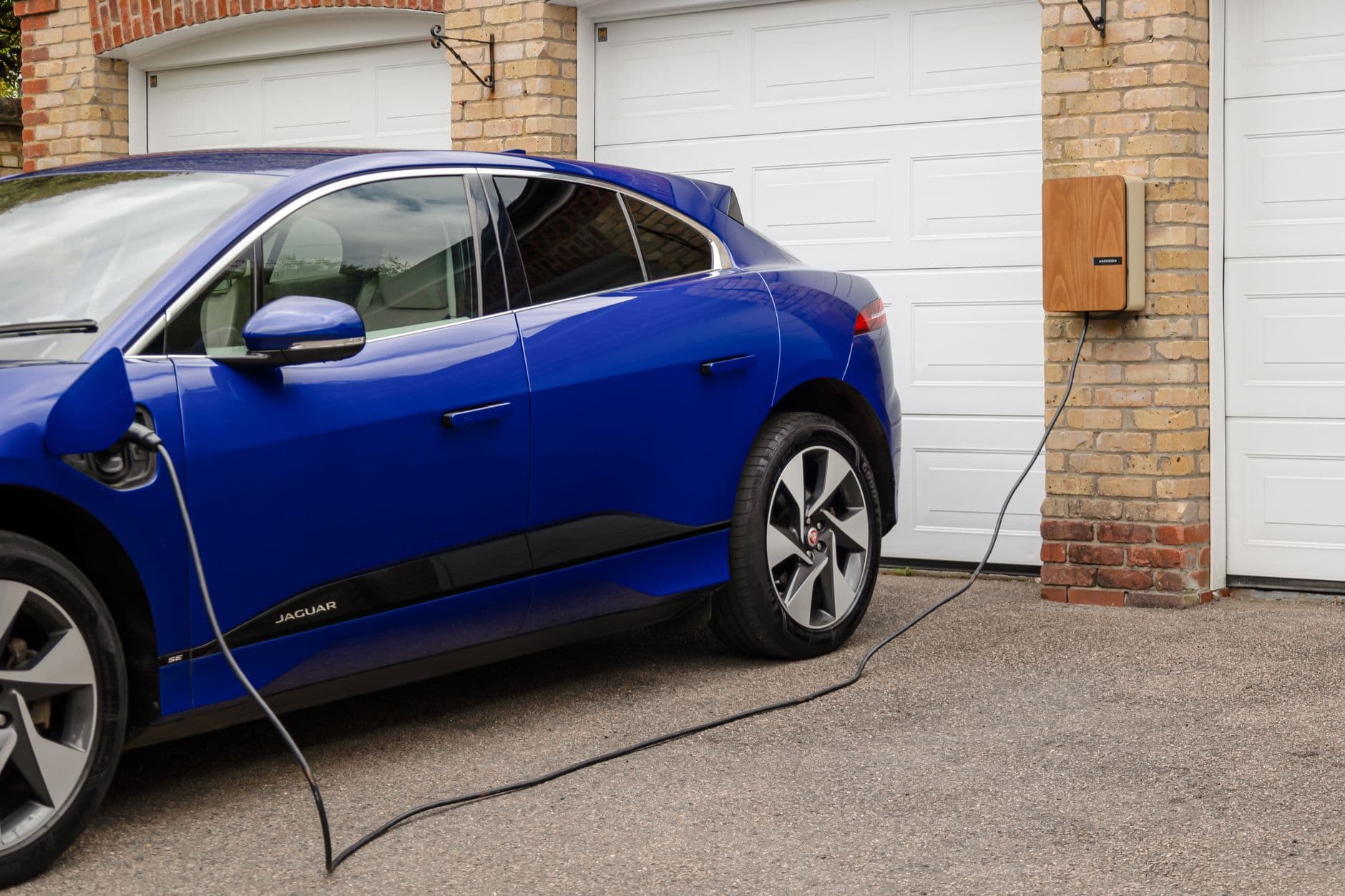
The ideal spot is close to your parking space and at a logical distance from the distribution board, because cable length affects the price and the installation. We look at whether the charging point goes on the facade, in the garage or on a post on the driveway.

The safety of the spot also counts: protection against being driven into, a tidy cable route and a correct height for the charging cable. For an outdoor setup, we take weather resistance and accessibility into account.

Urgent callout

Urgent electrical problem?

Briefly describe what is happening. Call for an urgent callout or leave your number and we will call you back as soon as possible.

  • Power failure
  • Short circuit
  • Fuse keeps tripping
  • East & West Flanders, Antwerp
Call for a callout0494 37 68 68

We only use your number to call you back. Privacy policy

Frequently asked questions

Can I not simply charge my electric car from a socket?
A standard socket is not designed to deliver high power for hours on end and can therefore overheat. An EV charger is built for continuous charging, with the right protection and a dedicated circuit on your consumer unit.
Do I need an upgrade of my connection for a home EV charger?
Not always. Whether an upgrade is needed depends on your current connection and consumption. Smart control (dynamic charging) can often avoid an upgrade. We assess this during the site visit.
Where is the best place to install an EV charger?
Close to your parking space and within a workable distance of your distribution board. On the facade, in the garage or on a post on the driveway are all possible, depending on your home and the cable route.
Do I charge faster at home with a three-phase connection?
With three-phase, a higher charging capacity is generally possible than with single-phase, so you can charge faster. What is feasible depends on your connection and the car. We assess this on site.

A home EV charger, correctly connected

We come by, assess your connection and the best location, and propose a tailored solution. Request a site visit and quote.

Call Murat0494 37 68 68Request a quote