
EnergieTechnicsHonest adviceclear pricing

Cavity wall insulation: making use of the cavity

Having an empty cavity filled is one of the smartest ways to tackle heat loss.

What can we help you with?

Rather speak to someone right away?0494 37 68 68

We only use your number to call you back. Privacy policy

Choose what you want to tackle. Several is fine.

Step 1 of 2

Want a more detailed answer? Take the EnergieUpgrade Scan

Many homes with a double external wall have a cavity between the two wall leaves. If there is no insulation in it, heat is lost through those walls. With cavity wall insulation you fill that void, so your wall insulates better without having to demolish anything on the inside or outside.

Insulating walls via the cavity is attractive because the work is limited: the filling is done from the outside through small drilled holes. Whether it is possible for your home depends on the width and condition of the cavity, and we check that first.
How cavity filling works

With cavity wall insulation, we drill a grid of small holes in the outer wall and blow insulation material into the cavity. This fills the void completely, so that the air that previously let heat through is replaced by insulation. Afterwards, the drill holes are neatly filled in.

Because there is no hacking or breaking out, the work is relatively quick and disruption is kept to a minimum. You notice the result in a wall that feels less cold and a living space that stays at a more even temperature.

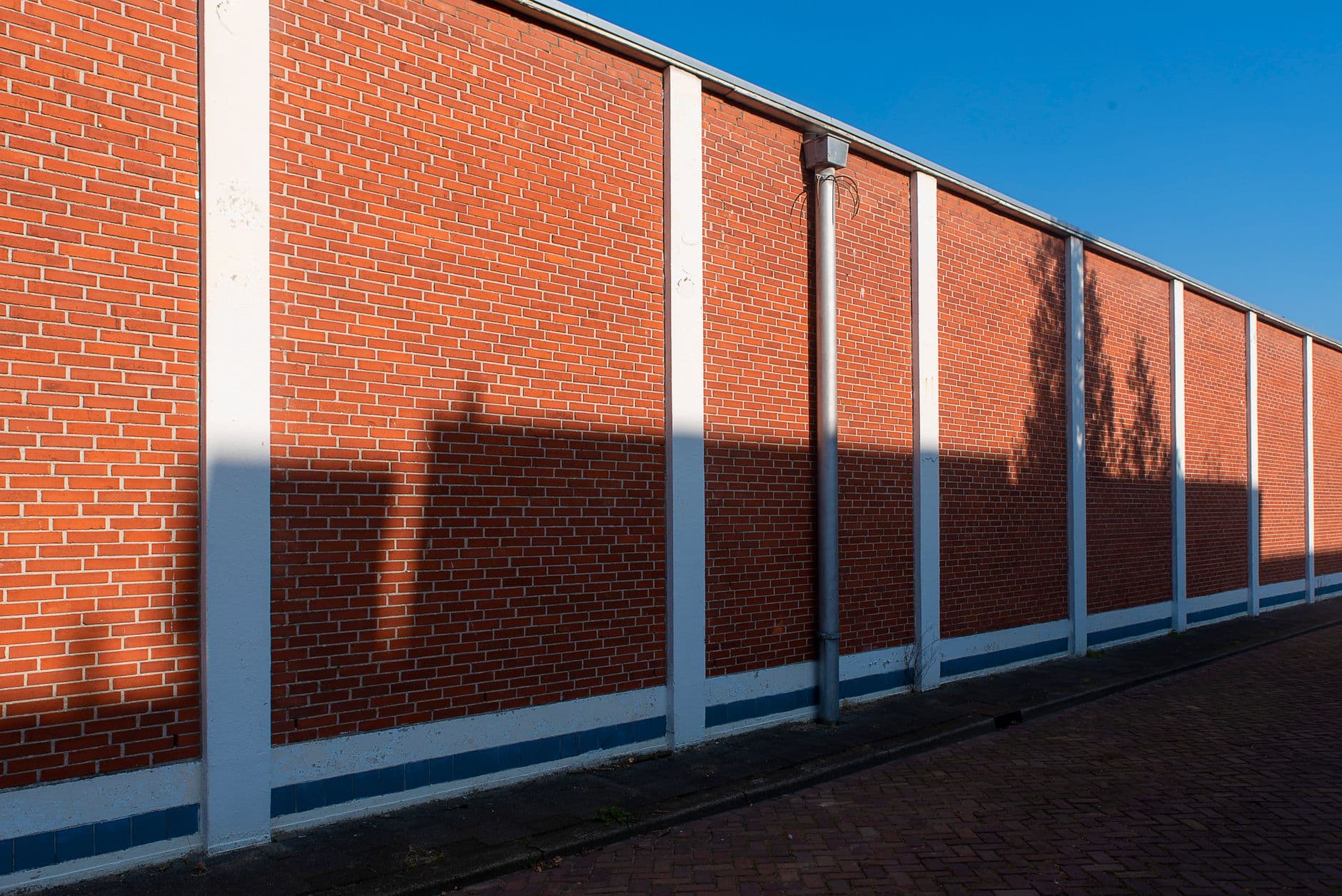
Long red brick wall under a blue sky
Photo: Jan van der Wolf / Pexels

When cavity wall insulation is possible

Cavity filling is only possible if a cavity is actually present and it is wide enough and in good condition. That is why every project starts with an inspection: we check whether there is a cavity, how wide it is and whether it is not contaminated or damp. A blocked or too narrow cavity is not suitable.

If your home has no cavity, or it turns out to be unsuitable, there are other ways to insulate your walls, on the inside or the outside. These are more invasive, but we are happy to look at which approach makes the most sense in your case.

Grants and savings in perspective

Premiums may also exist for wall insulation, but as with other insulation work, the conditions and amounts differ from year to year and from situation to situation. We do not quote a fixed amount and give no guarantee; what you can actually apply for depends on the rules at the time and on your installation.

How much you save on your energy consumption depends on how much wall surface your home has, your current insulation and your heating habits. We therefore prefer to give a well-founded estimate after a site visit rather than a general percentage that may not apply to your house.

Urgent intervention

Urgent electrical problem?

Briefly describe what is going on. Call for an urgent intervention or leave your number and we will call you back as soon as possible.

  • Power outage
  • Short circuit
  • Fuse keeps tripping
  • East & West Flanders, Antwerp
Call for a callout0494 37 68 68

We only use your number to call you back. Privacy policy

From inspection to finished wall

  1. 1

    Inspect the cavity

    We check whether there is a cavity, how wide it is and whether it is clean and dry enough to fill.

  2. 2

    Determine the approach

    If the cavity is suitable, we schedule the injection; if not, we look at alternative wall insulation.

  3. 3

    Blow in insulation

    Through small drill holes, we blow in the insulation material until the cavity is completely filled.

  4. 4

    Seal the drill holes

    We finish off the holes neatly so the facade keeps a tidy appearance.

Frequently asked questions

Does my home have a cavity?
You only know for sure after an inspection. Many homes with a double external wall have one, but the width and condition vary. We check this before we propose anything.
Is filling a cavity invasive?
No, relatively little. The insulation material is blown in from the outside through small drill holes, without demolition or breaking work. The drill holes are then neatly sealed.
What if my cavity is too narrow or contaminated?
Then blowing in is not suitable. In that case we look at whether insulating walls on the inside or outside is an option. That is more invasive, but sometimes the better choice.
Can I get a grant for cavity wall insulation?
Possibly, but the conditions and amounts change every year and depend on your situation. We do not promise an amount and refer you to the current channels for what applies at that time.

Wondering whether your cavity is suitable?

We inspect your wall, check the cavity and tell you honestly whether blowing in is possible. Request a site visit and a tailored quote.

Call Murat0494 37 68 68Request a quote