When an inspection is mandatory, what the inspector examines and what happens if it fails.
The electrical inspection checks whether an installation complies with the AREI, the General Regulations on Electrical Installations. It is the check that confirms your installation has been installed safely. For many people, the subject only comes up at a sale or a new installation.
In this guide we keep it factual and general. We explain in which situations an inspection is relevant, what an inspector checks and what your options are if the installation is rejected. For the exact rules and deadlines, we refer to a recognised inspection body, as these can change.
An inspection comes into play, among other things, with a new electrical installation, with a significant modification or extension of an existing installation, and with the sale of a home. In those cases you want to be sure that the installation is in order before it is put into use or changes owner.
Also when you have work carried out that substantially changes your installation, such as a new distribution board or an extra circuit for a charging point, an inspection is part of it. The precise obligations and validity periods are laid down in the regulations, so always check these with a recognised inspection body for your specific situation.
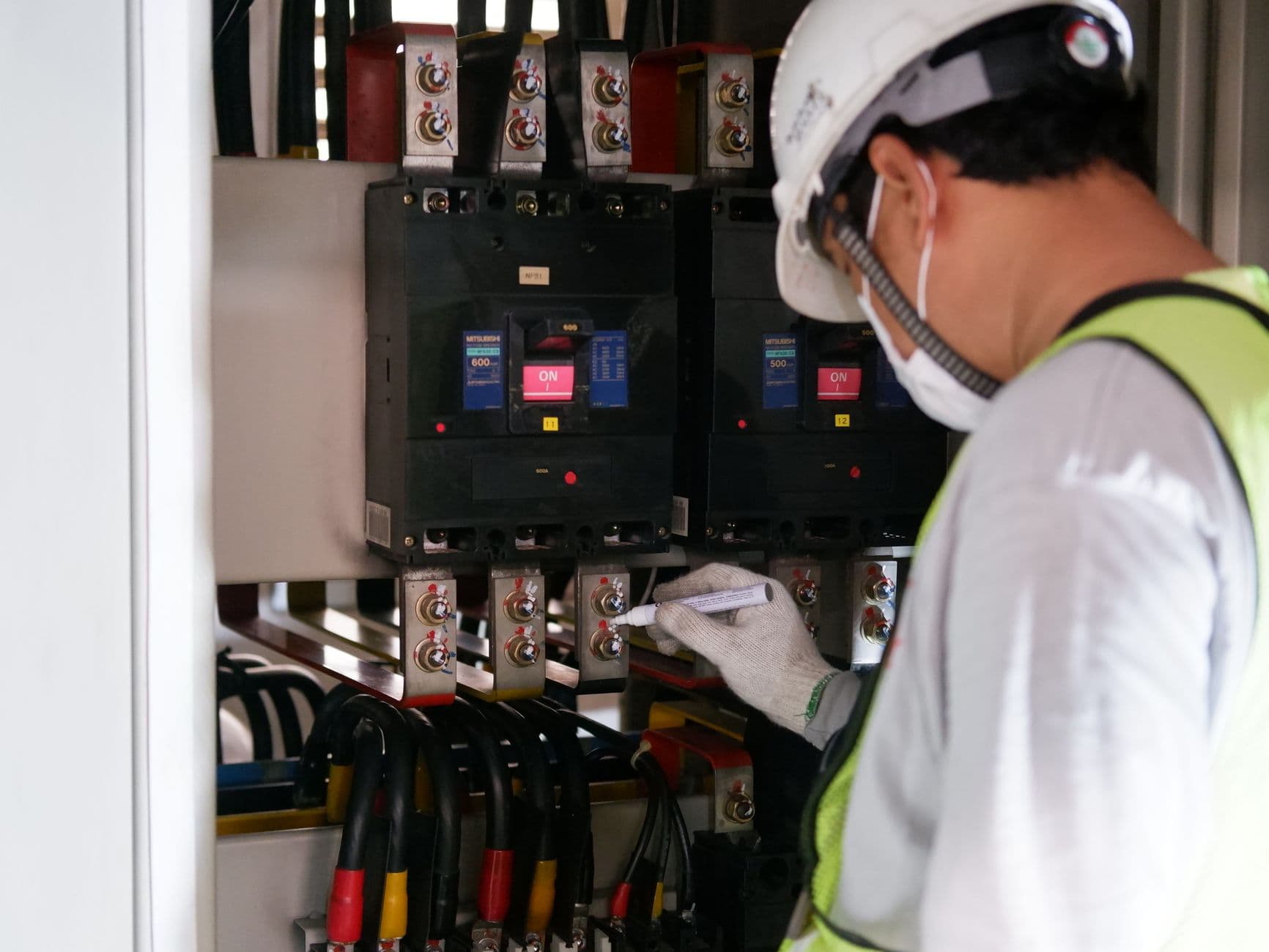
An inspector checks whether your installation is built safely and in accordance with the regulations. This includes the presence and operation of the correct residual current device or earth leakage circuit breaker, correctly rated circuit breakers, proper earthing and earth resistance, and whether the cabling and distribution have been carried out according to the rules.
The presence of a correct single line diagram and layout diagram of the installation is also part of the inspection. These documents describe how your installation is built. If they are missing or do not match reality, that is grounds for a remark.
If an installation is rejected, you receive a report listing the infringements identified. That is not a disaster, but a list of points that need to be put right. After the repairs, a re-inspection follows in which the inspector checks whether the defects have been remedied.
The infringements range from minor issues to points that require skilled repair, for example a missing residual current device or insufficient earthing. We address those remarks as part of our electrical work, so that your installation passes the re-inspection.
Presence and correct operation of the residual current device.
A sound earth connection and an earthing resistance within the standard.
Correctly sized circuit breakers per circuit.
An accurate single-line diagram and layout diagram of the installation.
We bring your electrical installation into order in line with the regulations, so that the inspection runs smoothly. Request a site visit or a quote.
